January 16, 2026
Closing the Gaps: Why AI and Automation Fail
The AI and automation market is booming, but success isn’t guaranteed. Many enterprise projects fail because organisations treat AI as a quick fix rather than a strategic transformation.
Welcome to our blog where we dive deep into the philosophy of simplicity in an increasingly complex world

The AI and automation market is booming, but success isn’t guaranteed. Many enterprise projects fail because organisations treat AI as a quick fix rather than a strategic transformation.

Choosing where and how to run your AI workloads can drastically affect your speed, cost, and scalability. This post breaks down the pros and cons of using hyperscale cloud providers, GPU-specific IaaS vendors like Cudo Compute, or running your own bare metal setup.
Building a model from scratch isn’t just a technical challenge, it’s a full-scale organisational investment. This post explores the depth of resource, skill, and infrastructure required, and why many underestimate what it really takes.
Foundational models like GPT-4 and Claude have already solved 90% of common business problems. This post covers the benefits of fine-tuning or embedding pre-built models, cost-efficiency, and real-world use cases where customisation outperformed full custom builds.
Businesses are drawn to the idea of owning their own AI for reasons like control, data sovereignty, and competitive edge. But many underestimate the complexity, cost, and infrastructure required.

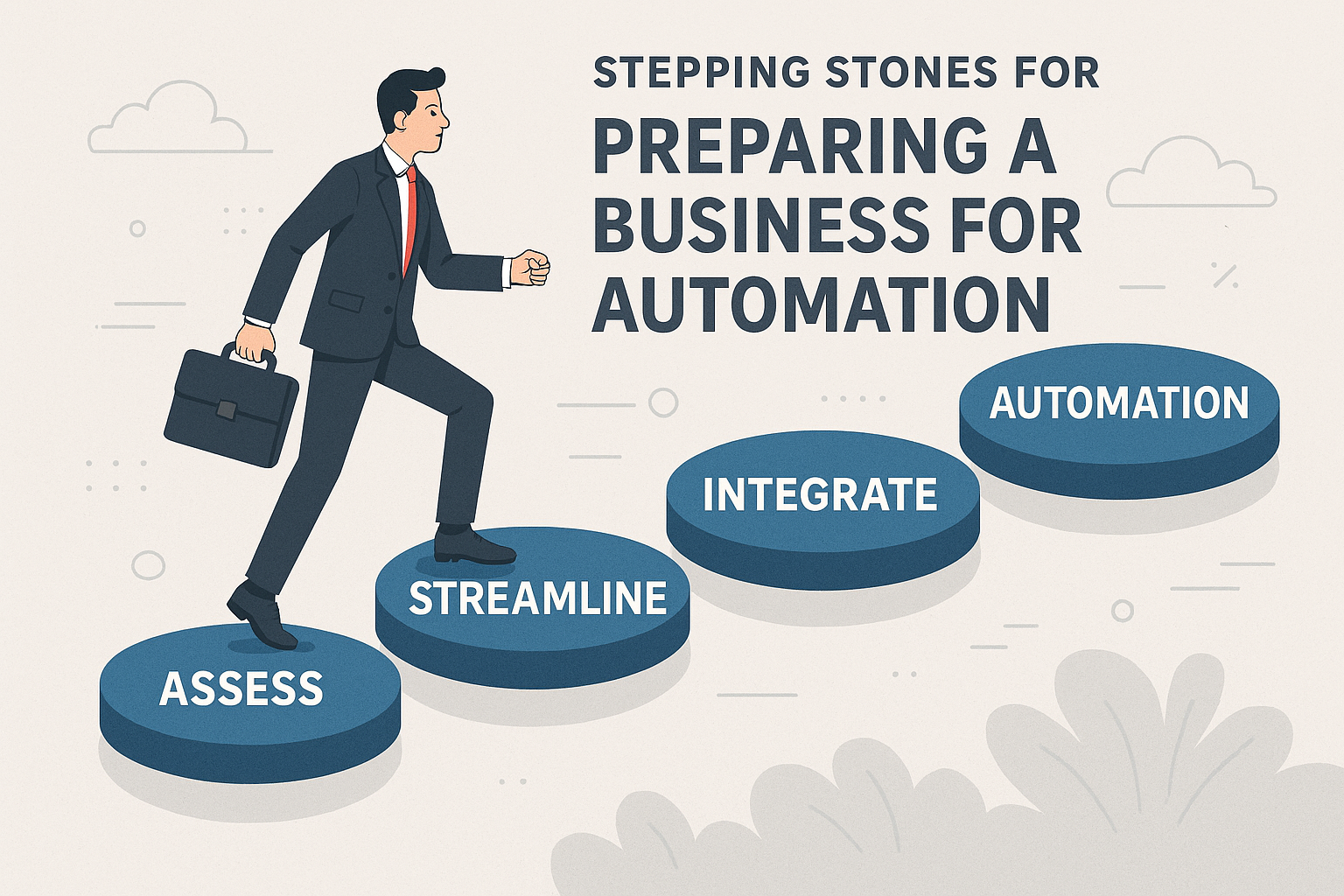
Automating inefficient processes without proper preparation leads to costly mistakes and diminished trust. Success in automation requires refining workflows, documenting processes, and seeking expert insights to ensure lasting efficiency and growth

As the digital landscape continues to evolve, so do the cybersecurity threats that businesses face. Being proactive, informed, and continuously adapting your security measures is the key to defending against these threats in 2023 and beyond.